

Are protein powders actually good for you? It’s the question everyone asks the moment they see a giant tub of whey sitting on a store shelf. Let’s be real, with the fitness world exploding, supplements can feel confusing. Some people swear by them, others say they’re overrated, and somewhere in the middle sits the truth. Protein powder is everywhere now, and it matters because people want simpler ways to recover faster, stay full longer, and hit their daily protein goals without overthinking every meal.
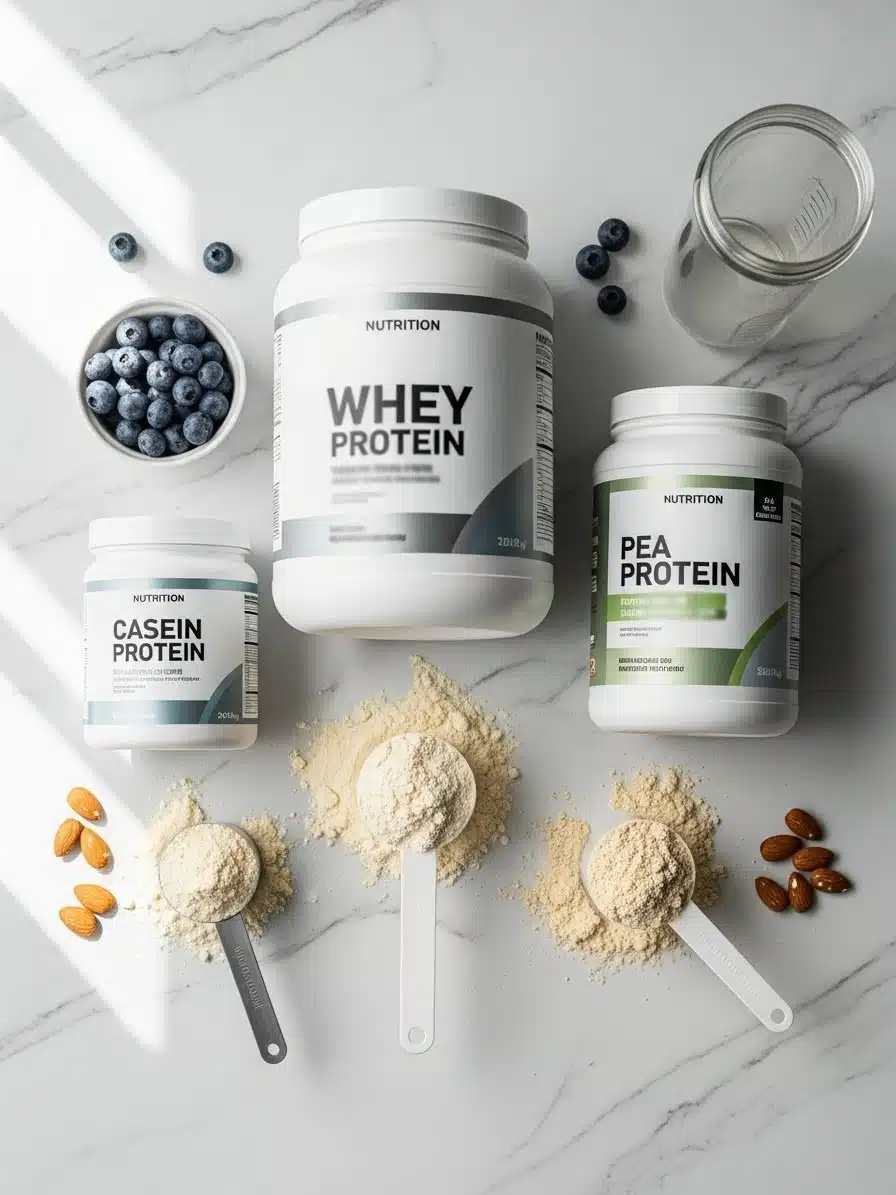
In the health and fitness community, we’ve all seen debates pop off: “Do I really need this?” or “Is protein powder just hype?” And honestly, it can get overwhelming. But here’s the good news, when you break down the science, protein powders have a pretty solid place in a healthy diet. Think muscle repair, appetite control, and even supporting healthy aging. And if you’re new to high-protein eating, you might enjoy checking out our guide on is cottage cheese good for muscle building?, another powerhouse protein source people love.
Let’s dive in and unravel what protein powders actually do for your body, without the drama, the myths, or the marketing fluff.
What Are Protein Powders and How Do They Work?
When people wonder, “Are protein powders actually good for you?” it helps to start with the basics. Protein powders are simply concentrated sources of protein that come from foods like milk, peas, soy, eggs, or even hemp. They’re processed into a fine powder so you can mix them into shakes, smoothies, yogurt, oats, or whatever fits your routine. Most fitness-focused folks use whey isolate or plant proteins because they digest easily and contain the amino acids needed for muscle repair.
Protein works by supplying your body with amino acids, the building blocks that help repair tissues, support metabolism, and keep you feeling full. After a workout, your muscles literally crave protein to rebuild. That’s why a lot of people take shakes afterwards. It’s not magic; it’s just biology working like it should. And if you want to see another high-protein idea the community loves, check our high-protein oatmeal guide, another example of mixing whole foods with protein boosters.
►To put it simply: protein powder steps in when whole foods alone aren’t quite enough, or when convenience matters more than cooking a full meal. Quick, easy, reliable.
Are Protein Powders Actually Good for You? (The Scientific Breakdown)
So, are protein powders actually good for you from a science-backed perspective? Short answer: yes, for most people, and when you choose a clean, high-quality product. The body doesn’t treat supplemental protein any differently than protein from food. Your digestive system breaks it down into amino acids either way. The benefit of protein powder is speed and simplicity.
Research shows that protein helps increase satiety, improve muscle recovery, and support a healthy metabolism. No joke, athletes have been using it for decades because it works. But even everyday people benefit, especially if they struggle to meet daily protein needs. According to general guidelines shared by organizations like the Cleveland Clinic and Harvard Health, most adults actually under-consume protein, so a shake can fill the gap without much effort.
But let’s be real: powdered protein isn’t a replacement for whole foods. It’s just a tool, like a supplement you use when life gets busy or when you need an extra protein bump. And for readers who want to explore whole-food protein too, our cottage cheese taco bowl is a great example of protein-dense meals without supplements.
7 Proven Health Benefits of Protein Powder
If you’re still asking, “Are protein powders actually good for you?” the benefits make the answer clearer. There are seven big ones people in the health community bring up all the time, and they’re not hype, they’re well-documented.
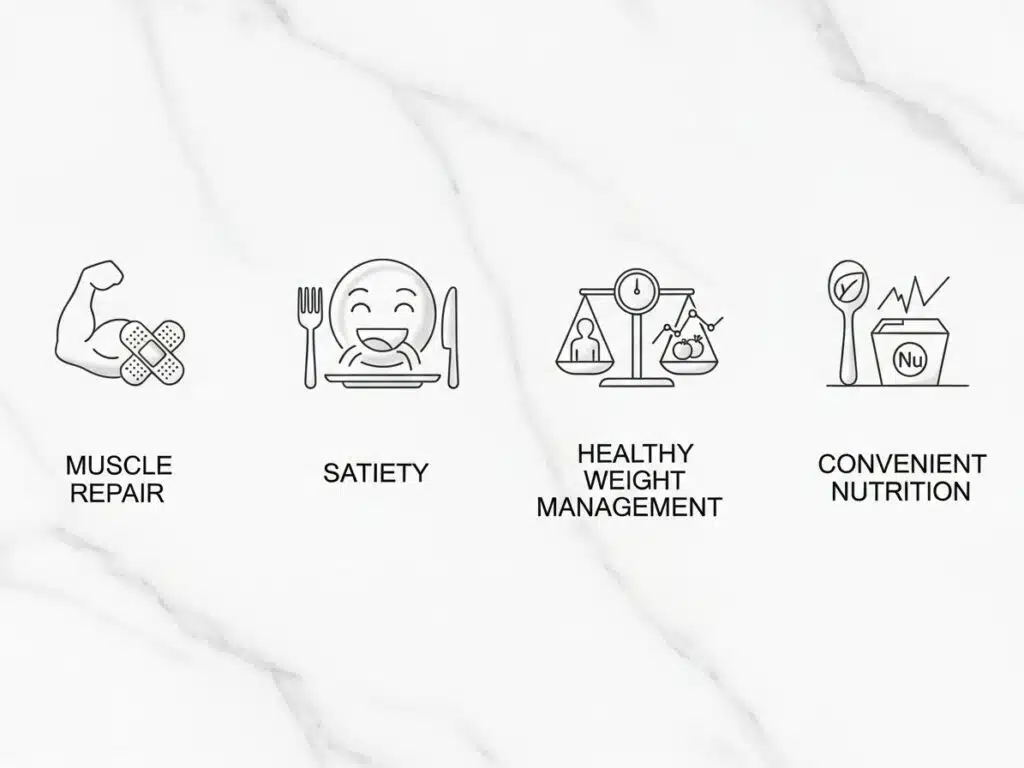
1. Supports muscle growth
Protein provides essential amino acids that repair muscle after workouts. It’s why gyms are filled with shaker bottles, it just works.
2. Helps with recovery
A faster recovery means less soreness and better progress. Most athletes pair protein with carbs post-workout for this reason.
3. Boosts fullness and reduces cravings
Protein keeps you satisfied longer, making it easier to avoid mindless snacking. This is huge when cutting calories.
4. Supports weight management
High-protein diets improve satiety and metabolism. A scoop of protein can turn a small snack into something that keeps you full for hours.
5. Convenient for busy days
Life gets chaotic; that’s normal. Protein powder gives you something quick you can mix in seconds.
6. Helps maintain muscle during aging
As we age, muscle naturally declines. Getting enough protein slows that down and supports mobility.
7. Great for meeting daily protein goals
Let’s be honest, most people don’t track protein, let alone hit their goals. Powder helps fill the gap fast.
If you enjoy building muscle or simply want more protein-dense meals, recipes like our high-protein cottage cheese dinner bowls can pair beautifully with shakes or whole-food meals.
Are There Any Risks or Side Effects?
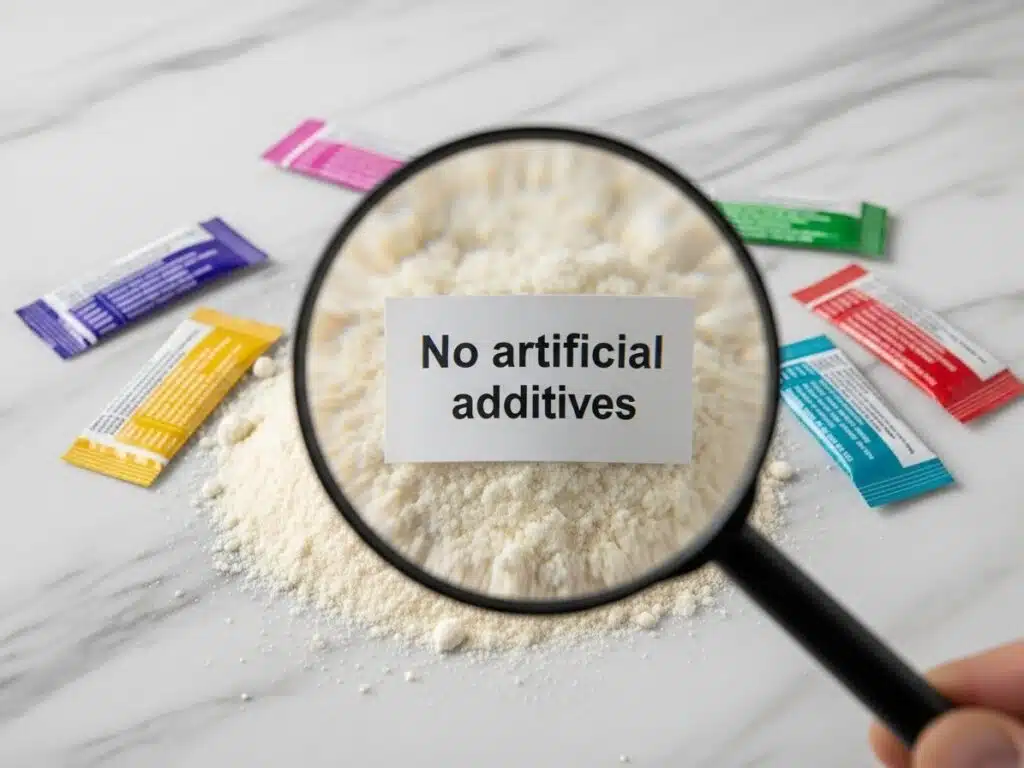
Whenever people ask, “Are protein powders actually good for you?”, risks come up. And that’s fair, anything used incorrectly can cause problems. Fortunately, the risks are usually minor and easy to avoid.
Most side effects revolve around digestion. Some protein powders contain lactose, artificial sweeteners, gums, or fillers that can cause bloating. A lot of users switch to whey isolate, pea protein, or plant-based blends because they’re gentler and easier to digest. There’s also the myth that protein harms kidneys, but research from places like the National Kidney Foundation shows this is only a concern for people with pre-existing kidney issues.
Here are the common issues people might notice:
- Mild bloating or gas
- Sensitivity to lactose or soy
- Reactions to artificial sweeteners
- Overconsumption leading to excess calories
Another concern is product quality. Not every protein powder is tested for heavy metals or additives. That’s why third-party tested brands are recommended by dietitians. And if you want a whole-food alternative to rotate with your shakes, our cottage cheese vs Greek yogurt comparison is a helpful read.
Whey vs Plant Protein: Which Is Healthier?
A big part of answering “Are protein powders actually good for you?” is understanding the difference between whey and plant protein. Both can fit into a healthy lifestyle, but people choose them for different reasons. Whey protein comes from milk, digests quickly, and has a full amino acid profile, which is why it’s famous in the fitness community. It’s often used for muscle growth and post-workout recovery because it hits the bloodstream fast.
Plant protein, on the other hand, comes from sources like peas, rice, soy, and hemp. It’s slower-digesting, often easier on the stomach, and a favorite for people who prefer dairy-free or vegan options. Some blends combine multiple plant sources to improve their amino acid profile, making them just as effective for muscle repair.
Here’s a quick comparison list:
- Whey Protein
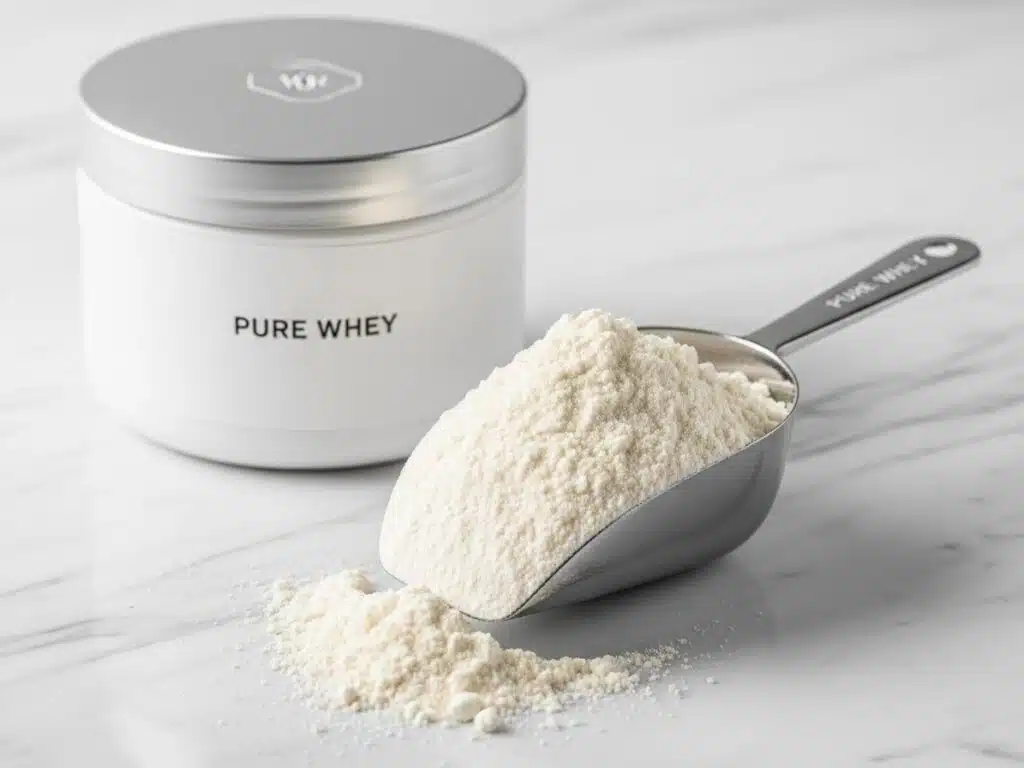
- Fast-digesting
- Complete amino acid profile
- Great for post-workout
- May cause bloating for lactose-sensitive people
- Plant Protein
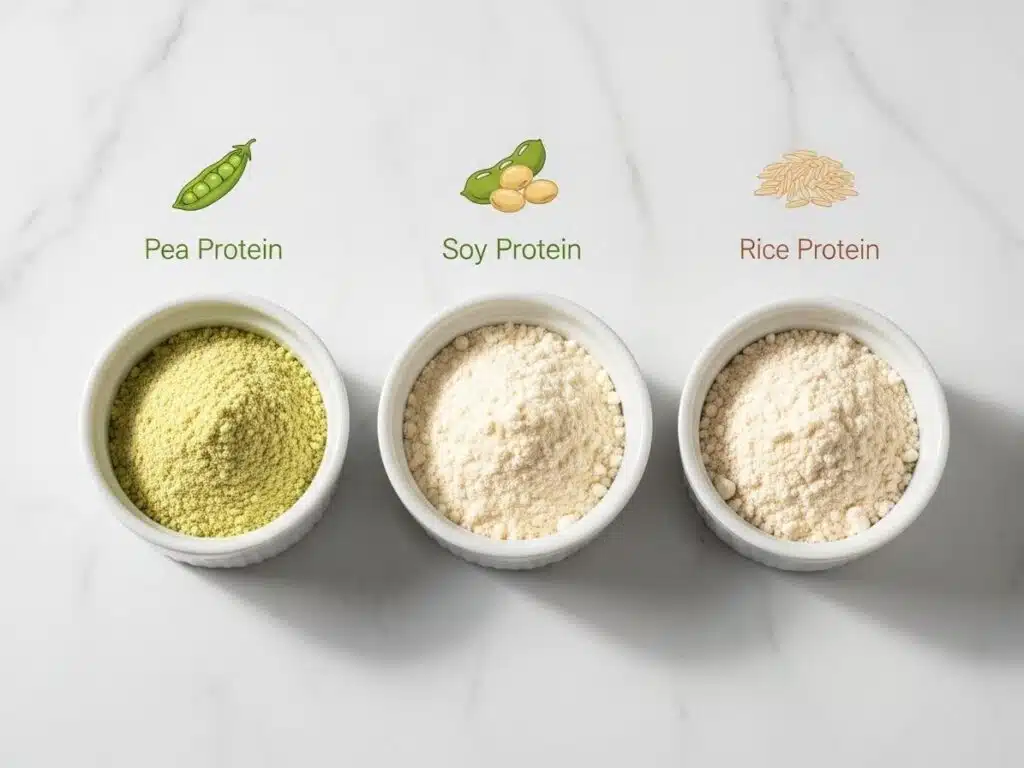
- Dairy-free and gentle
- High in fiber and micronutrients
- Great for smoothies and daily use
- Slightly slower digestion
A lot of readers who prefer whole foods also love exploring dairy-based protein options like our cottage cheese pancake recipe, which works as a natural alternative to powders. For deeper scientific breakdowns of protein quality, you can also check organizations like Harvard Health Publishing or Healthline.
How Much Protein Do You Actually Need Per Day?
One thing that comes up again and again when people ask “Are protein powders actually good for you?” is the confusion around daily protein needs. It feels like everyone online has a different number, which gets annoying fast. The truth is simpler: most general health organizations suggest that active adults need more protein than the basic nutrition label recommendation.
Here’s the simplified breakdown most trainers and dietitians use:
- Sedentary adults: around 0.8g per kg of body weight
- Active adults: 1.2–1.6g per kg
- Strength athletes: sometimes 1.6–2.2g per kg
These ranges help you build, repair, and maintain muscle. If you’re eating high-protein meals like our high-protein scrambled eggs for breakfast or cottage cheese-based meals during the day, you may not need powder at every meal.
Protein powder becomes useful when:
- You skip meals
- You’re cutting calories
- You struggle to eat enough protein
- You’re in a muscle-building phase
- You’re always on the go
Let’s be real, hitting your protein goals every single day is tough. Powder simply fills the gaps without stress.
When Protein Powder Is Helpful vs When You Don’t Need It
To decide “Are protein powders actually good for you?”, you have to know when they help and when they aren’t necessary. Protein powder isn’t a must-have for everyone. It’s more of a “use it when life is chaotic” solution.
Protein powder is helpful when:
- You’re training intensely and need fast recovery
- You don’t eat enough protein-rich foods
- You’re trying to lose fat but keep muscle
- You want a quick meal before work or school
- You’re vegetarian or vegan and need extra amino acids
- You’re an older adult maintaining muscle mass
Protein powder isn’t needed when:
- You consistently eat high-protein meals
- Your appetite is strong and balanced
- You prefer whole-food protein sources
- You have digestive sensitivities to supplements
- You’re not active or strength training
Many readers who reduce powder rely on meals like our high-protein sheet pan fajitas meal prep because it naturally packs in plenty of protein. When in doubt, use powder as a convenience tool, not a requirement.
How to Choose a Healthy, Safe Protein Powder
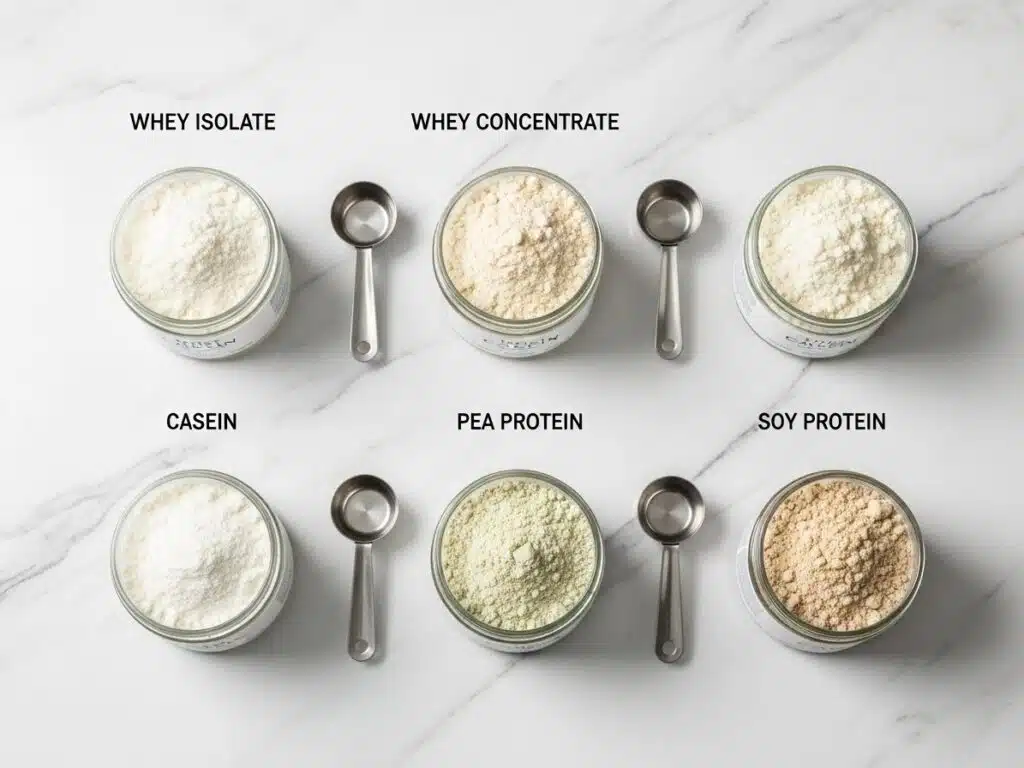
With so many options out there, it’s natural to wonder, “Are protein powders actually good for you if they’re filled with additives?” And honestly, not all products are created equal. Some powders contain fillers, added sugar, artificial flavors, or even questionable ingredients. That’s why choosing wisely matters.
►Here’s a community-backed checklist for choosing the best powder:
1. Look for third-party testing
This ensures the product is free from contaminants and heavy metals. Certifications to look for include:
2. Read the ingredient list
Shorter is better. Watch out for:
- Corn syrup solids
- Artificial dyes
- Artificial sweeteners that cause bloating
- Gums or thickeners
3. Choose based on your goals
- Whey isolate, best for fast muscle recovery
- Casein, slower digestion, great before bedtime
- Pea or soy protein, best for plant-based diets
- Blends , balanced and versatile
4. Match the flavor to what you actually use
Chocolate for oats, vanilla for smoothies, simple but smart.
If you want to compare whole-food alternatives, our cottage cheese vs Greek yogurt article breaks down another pair of high-protein options backed by strong nutrition science.
For third-party testing info, external sites like ConsumerLab and NIH Office of Dietary Supplements provide helpful data.
How to Use Protein Powder Properly (Without Overdoing It)
Understanding proper usage is a big part of answering “Are protein powders actually good for you?” Because, let’s be honest, some people go overboard. One scoop is helpful, five scoops, not so much.
Most trainers and nutritionists recommend 1–2 scoops per day, depending on your protein needs. The goal is to supplement, not replace real meals. Overdoing it can lead to digestive issues, extra calories, or simply wasting money.
Here’s how most people use it wisely:
1. Post-workout (most common)
Helps with muscle repair and recovery. Paired with carbs, it works even better.
2. In breakfast for satiety
Mix it into oats or yogurt for a protein-heavy morning meal. Many of our readers love adding powder into high-protein overnight oats for a full, balanced breakfast.
3. As a snack replacement on busy days
Quick, filling, and prevents overeating later.
4. Before bed (casein only)
Slower digestion keeps muscles nourished overnight.
5. In smoothies
Easy way to add micronutrients, fruits, oats, or healthy fats.
►Just remember, it’s a supplement. The goal is to hit your overall protein target, not chase giant scoops.
What Do Experts Say About Protein Powder? (Real, Science-Backed Insights)
To settle the big question, “Are protein powders actually good for you?”, it helps to look at what nutrition experts and sports scientists actually say. And honestly, the consensus is pretty balanced. Registered dietitians generally agree that protein powders are safe, effective, and convenient as long as the product is high quality and used in moderation. It’s not meant to replace meals; it’s meant to fill gaps.
Sports nutrition researchers often highlight protein powder’s role in repairing muscles, supporting training progress, and helping people meet their macro goals. You’ll see similar guidance published by trusted authorities like the Academy of Nutrition and Dietetics, Cleveland Clinic, and Harvard Health. These sources repeatedly point out that the body doesn’t “rank” protein from powder differently than protein from whole foods.
Fitness coaches also mention that many people simply don’t hit their daily protein intake through meals alone, especially if they’re trying to build muscle, maintain weight loss, or fuel active lifestyles. That’s why protein supplements remain a staple in most gyms, not because they’re magical, but because they work alongside balanced eating.
If you’re exploring whole-food options with comparable benefits, high-protein meals like our philly cheesesteak bowl are a popular “real food” alternative that still helps you reach your macro goals.
FAQs: Are Protein Powders Actually Good for You?
These are the most common questions people ask when deciding whether protein powder fits into their routine. Quick, simple answers, no fluff.
Can you take protein powder every day?
Yes, most people can take protein powder daily as long as it fits within their protein needs. Just don’t rely on shakes instead of meals.
Will protein powder make me gain weight?
Only if you consume more calories than your body needs. Protein powder itself doesn’t cause weight gain, extra calories do.
Is whey protein better than plant protein?
Neither is “better” for everyone. Whey is fast-digesting and great for muscle recovery, while plant protein is gentler on digestion and ideal for dairy-free diets.
Can protein powder replace a meal?
It shouldn’t be your daily go-to replacement, but a protein shake can work as an occasional fast meal when life gets chaotic.
Are protein powders safe long-term?
For healthy individuals, yes. Research shows long-term protein supplementation is safe when used within recommended ranges.
Do kids or teens need protein powder?
Usually no, whole foods are enough. Only use protein powder for minors under professional guidance.
Is it okay to mix protein powder with hot foods?
Yes, but high heat can change the texture. Some people use it in baked goods, oatmeal, and cottage cheese bakes.
If your want more whole-food high-protein ideas, you might enjoy our blueberry cottage cheese breakfast bake or high-protein pumpkin muffins.
Conclusion: So, Are Protein Powders Actually Good for You?
If you’ve read this far, you already know the answer: yes, protein powders are actually good for you when they’re used correctly. They’re not magic, and they’re definitely not a replacement for real food, but they’re an incredibly helpful tool for hitting daily protein goals, supporting recovery, and making healthy eating easier. Honestly, in a world where everyone is constantly busy, having something quick, filling, and reliable can be a lifesaver.
Remember: the real power comes from combining protein powder with a balanced diet full of whole-food protein sources. Think high-protein meals, cottage cheese bowls, Greek yogurt, eggs, lean meats, the stuff your body loves. And when you need extra support, powdered protein fills the gaps without stress.
If you’re looking for more natural, high-protein recipes to pair with your shakes, explore our community favorites like:
►Final encouragement:
Choose a clean, tested protein powder, listen to your body, and don’t overthink it. Whether you’re aiming for muscle gains, fat loss, or just a healthier routine, protein powder is simply a helpful tool in your fitness journey.
Have questions or tips about using protein powder? Drop them in the comments, your experience might help someone else. And if you try pairing your shakes with any of our high-protein meals, let us know which combo becomes your go-to.